When global markets teeter between overheating and stagnation, central banks stand at the helm, wielding policy tools that shape the destiny of economies. Their decisions ripple through lending rates, job creation, and consumer prices, affecting every household and business.
Their mission is not simple: they must maintain price stability and full employment while steering economies toward sustainable expansion. Each adjustment of the policy lever carries consequences—some immediate, others unfolding over months or years.
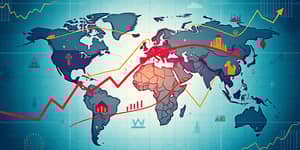
Central banks, from the Federal Reserve in the United States to the European Central Bank and the Reserve Bank of India, hold mandates that blend objectives. They target inflation, anchor expectations, and support growth through tools that regulate the money supply and interest rates.
Advanced economies often aim for 2% inflation, believing it signals a healthy pace of price increases without derailing spending power. India’s Reserve Bank, operating within a flexible inflation targeting framework, tolerates a slightly higher rate to accommodate external shocks and developmental needs.
Policymakers rely on a toolkit that has evolved over decades. Each instrument offers unique channels to influence economic behavior.
At times, novel instruments such as central bank digital currencies may redefine how these tools operate, injecting new dynamics into policy transmission.
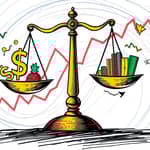
The heart of monetary policy lies in its dual impact: balancing inflation control with growth. Raising interest rates cools price pressures but can stifle investment and hiring. Conversely, easing policy can spark expansion yet risk igniting runaway inflation.
Moreover, central banks face the delayed impact of monetary policy. Rate hikes decided today might only fully permeate the economy after six to eighteen months, challenging officials to forecast accurately and act preemptively.
Recent years have tested central bank resolve. In the United States, Core PCE inflation peaked above 5.5% in 2022 but moderated to 2.9% by September 2025. Federal funds rates climbed to 5.25–5.5% before modest cuts began in October 2025 as inflation cooled.
Emerging economies, vulnerable to supply shocks and capital flows, must carefully coordinate fiscal measures with monetary action to maintain credibility and growth.
Central banks grapple with multiple headwinds. Forecasting models can be blindsided by geopolitical tensions or sudden commodity price swings. Communicating policy without triggering market overreactions demands clear and transparent communication.
Maintaining financial stability is equally crucial. Rapid rate changes can strain bank balance sheets and asset prices, requiring vigilant oversight and macroprudential measures alongside standard policy actions.
The 2008 financial crisis and the COVID-19 pandemic showcased central bank agility. The Fed’s swift rate cuts and quantitative easing programs quelled panic, yet later contributed to inflationary pressures. India’s RBI used its flexibility to sustain growth amid transient price spikes, coordinating closely with government stimulus.
Conversely, policy missteps in Argentina and Zimbabwe underscore the dangers of lost credibility: unchecked money printing and inconsistent messaging can unravel economies into hyperinflation and recession.
For companies and households, anticipating central bank moves can guide financial decisions. Monitoring economic indicators and official communications helps stakeholders adapt investment and borrowing strategies proactively.
As economies evolve, so too will the art and science of central banking. A commitment to learning from past triumphs and errors, combined with data-driven and forward-looking decisions, will define the next chapter in global monetary history.
Ultimately, the central bank balancing act is more than a technical exercise; it is a stewardship of public trust, economic well-being and long-term prosperity. By harnessing the right tools, adapting to changing circumstances, and communicating with clarity, policymakers can guide nations toward a future of stable prices, thriving businesses, and resilient communities.
References