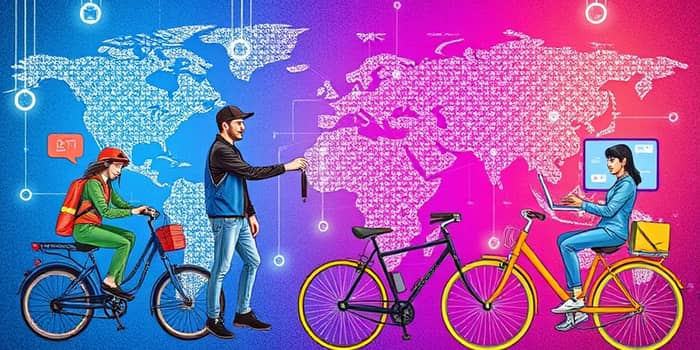
The world of work is undergoing a seismic shift. What was once a fringe alternative to traditional employment has evolved into a dynamic, thriving force that influences economies, industries, and individual careers. Today’s gig economy stands as a testament to human ingenuity, adaptability, and the relentless pace of technological change.
From freelance designers crafting brand identities to rideshare drivers ferrying passengers across bustling cities, gig work has become an integral part of our daily lives. Yet this movement brings both opportunity and uncertainty, demanding careful navigation by workers, businesses, and policymakers alike.
In this article, we explore the rise of the gig economy, highlight the transformative trends behind its growth, examine the pressing challenges it faces, and offer practical guidance for anyone seeking to thrive in this brave new world of work.
Estimated 1.5 billion people globally will engage in freelance or gig work by 2024, making the gig economy impossible to ignore. As this sector continues to expand, we must confront the realities of flexibility, autonomy, and risk.
In 2025, freelancers are projected to represent 35% of the worldwide workforce. That figure translates to hundreds of millions who choose short-term, project-based engagements over traditional full-time roles. This shift reflects changing worker preferences driven by a desire for greater control over schedules, locations, and career paths.
The economic contribution is staggering. By 2025, the gig economy could add $3 trillion to global GDP, while the freelance platforms market alone could exceed $13.8 billion. In the United States, freelancers contributed $1.27 trillion in 2023—on par with major sectors such as construction and transportation.
The modern gig economy is fueled by technology and shifting workplace norms. Remote work, AI tools, and global platforms have opened doors to talent pools spanning continents.
This convergence of technology and talent has elevated skilled knowledge work. IT specialists, designers, and consultants increasingly lead earnings, while traditional ride-sharing and delivery services, although substantial, account for a smaller share of total value.
Despite its promise, the gig economy presents formidable challenges. Workers classified as independent contractors often lack access to essential benefits like healthcare, retirement savings, and unemployment protection. This gap has sparked calls for portable benefits and protections that follow individuals across gigs and platforms.
Regulatory frameworks lag behind this rapid evolution. Taxation, compliance, and labor classification remain areas of uncertainty. Some governments are exploring a middle-ground classification to provide basic safeguards without undermining flexibility.
While some freelancers thrive—5.6 million now earn over $100,000 annually—many remain on the economic margins, using gig work to supplement traditional income. Achieving stability demands strategic planning and diversification.
In this dynamic environment, gig workers must adopt proactive approaches to secure sustainable careers:
Businesses and policymakers also have roles to play. Companies can foster loyalty by offering benefits packages tailored to contract workers. Policymakers can design inclusive frameworks that balance flexibility with fundamental rights.
Looking ahead, projections indicate that by 2027, freelancers will comprise over half of the workforce in developed economies. By 2030, the global gig market could soar past $2.178 trillion. Alongside this growth, AI-human collaboration will become the standard, with platforms offering smarter tools for efficiency and innovation.
Emerging public-private partnerships may introduce universal gig benefits, ensuring healthcare and retirement plans for all. Meanwhile, gig-based entrepreneurship will thrive as more workers embrace micro-business models, turning individual skills into scalable ventures.
The future workplace will be a hybrid ecosystem, blending full-time roles, contract engagements, and automated workflows. Success in this landscape demands agility, continuous upskilling, and a willingness to redefine traditional career paths.
The gig economy stands at a crossroads. It offers unmatched freedom, global reach, and innovative potential—but also exposes workers to new vulnerabilities. By remaining informed, adaptable, and proactive, individuals can harness the gig revolution to build fulfilling, resilient careers.
Employers, platforms, and governments must collaborate to create fair, inclusive systems that support economic security and growth. Together, we can ensure the gig economy continues as a powerful engine of opportunity, driving progress for workers and societies worldwide.
Seize the moment, invest in your skills, and shape the future of work—today’s gig revolution awaits your contribution.
References